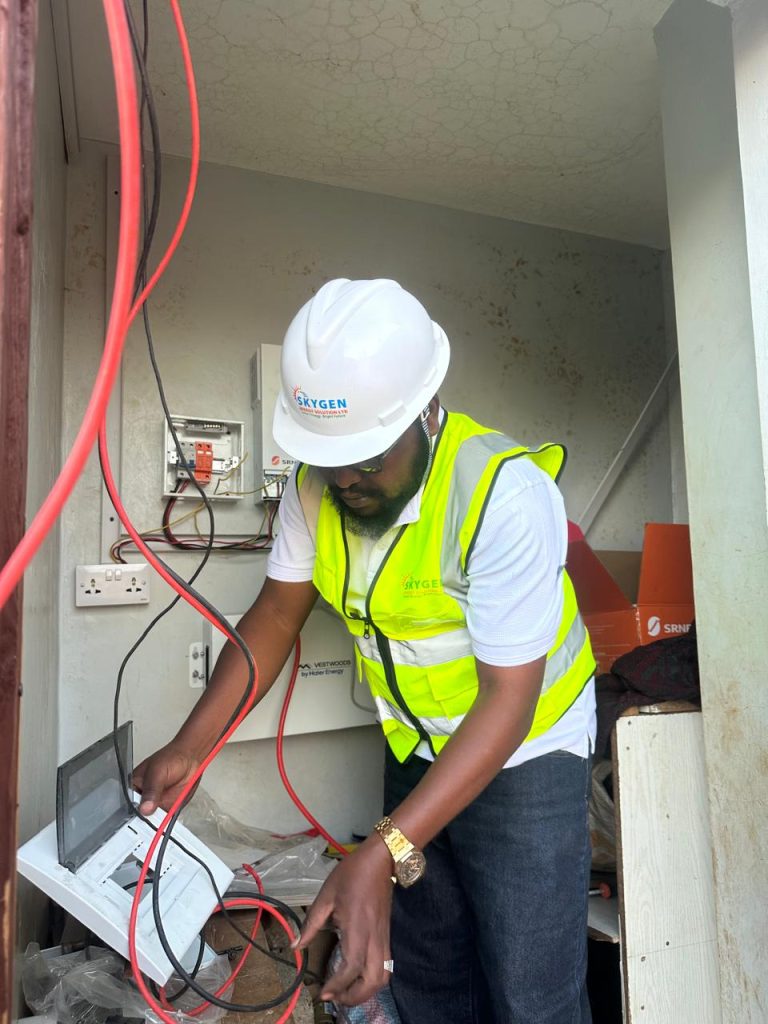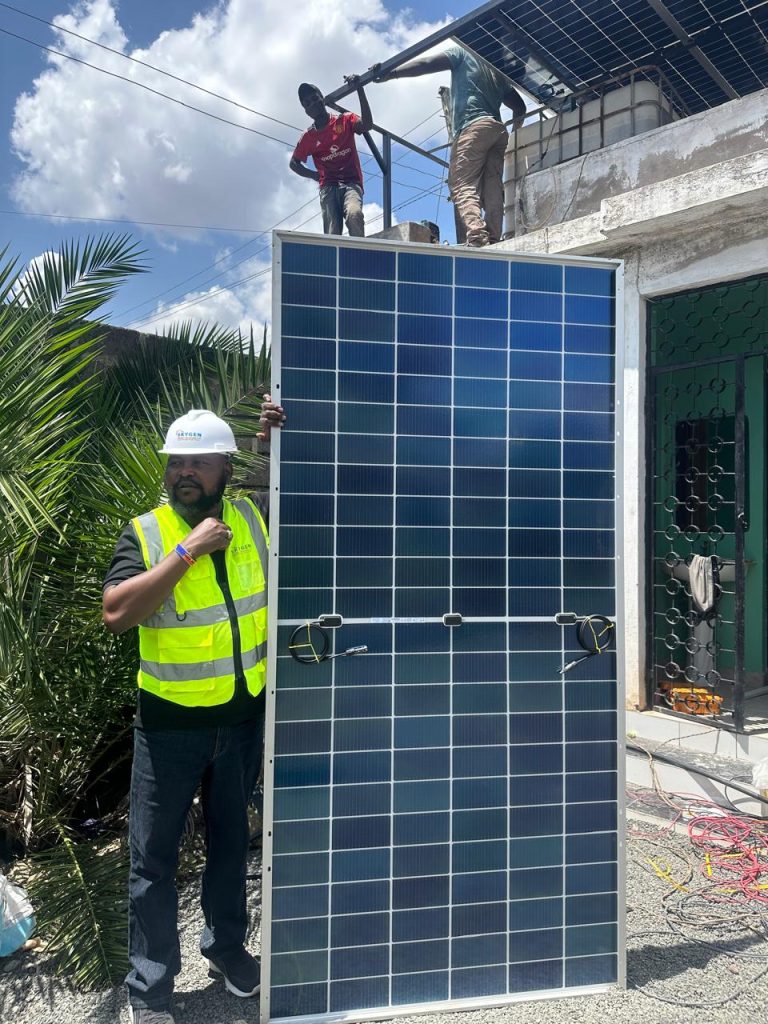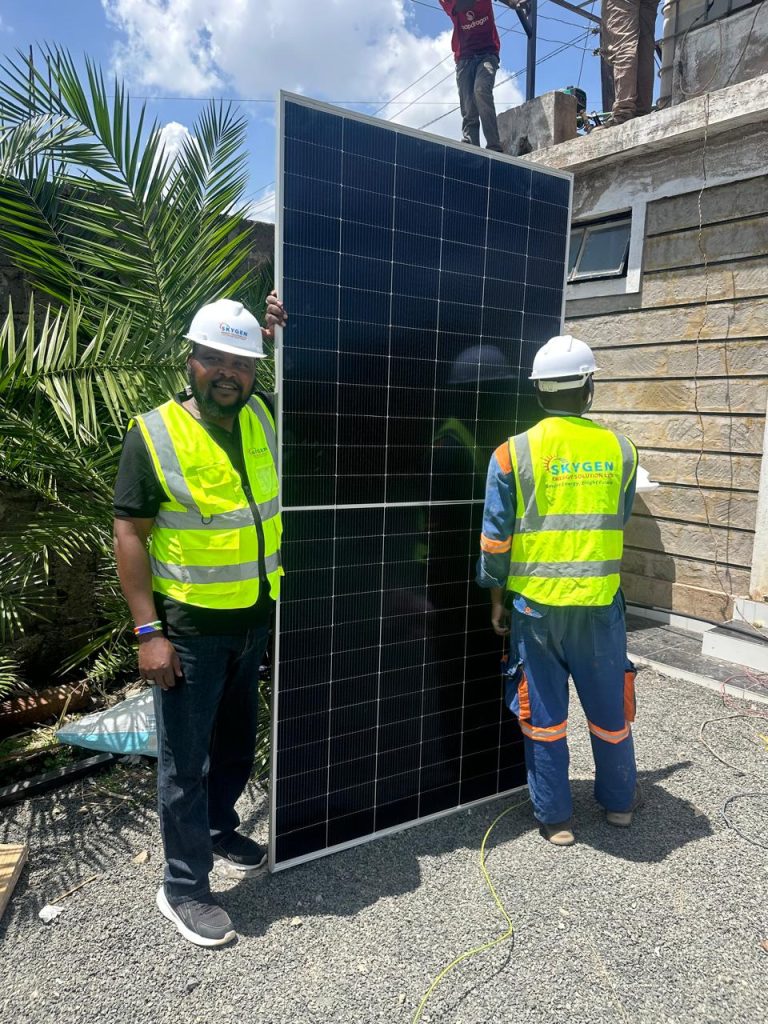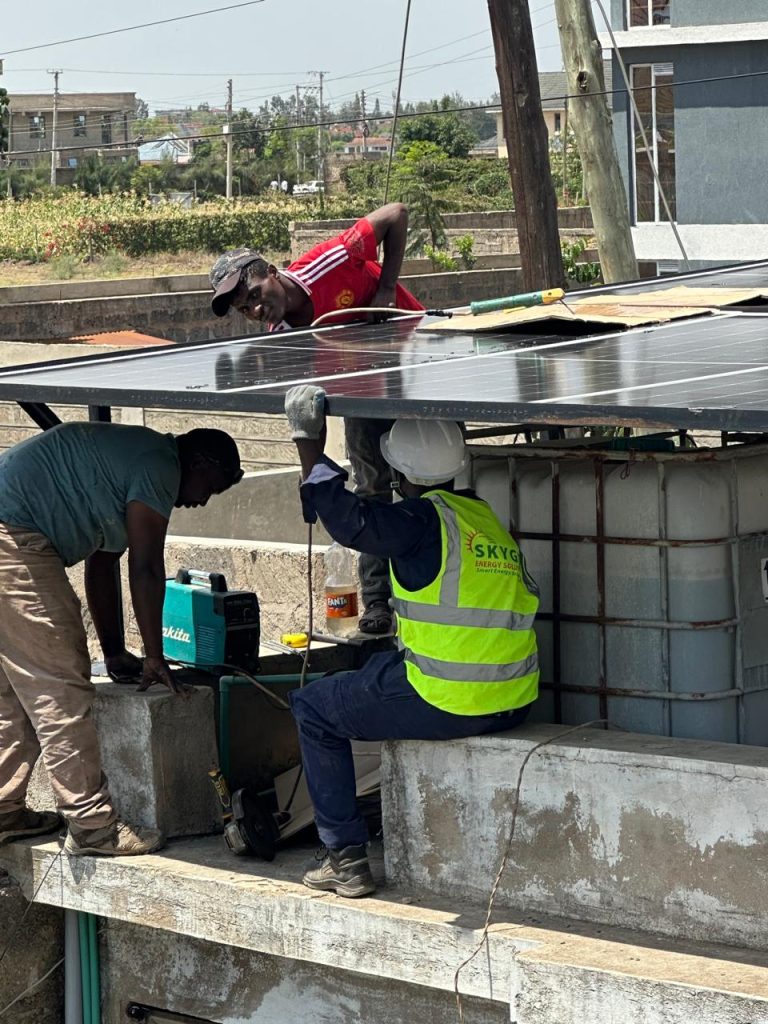

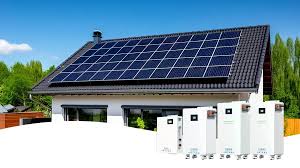
Kenyan homes face frequent power interruptions, rising electricity tariffs, and inconsistent grid access. Your inverter choice determines whether your solar system saves money, keeps lights on during blackouts, or both. Here’s how to pick the right one.
On-Grid Inverters
Best for: Urban homes with stable grid access
How it works: Converts solar power for immediate use; excess feeds back to the grid (net metering not yet active in Kenya)
Pros: Lowest upfront cost, simple installation
Cons: Shuts down during blackouts—no backup power
Ideal if: You want to cut bills but rarely face outages
Off-Grid Inverters
Best for: Rural homes or areas with no grid
How it works: Runs entirely on solar + batteries; no connection to utility
Pros: Full energy independence
Cons: Higher cost (needs large battery bank), limited by sun availability
Ideal if: You’re beyond grid reach or want zero reliance on KPLC
Hybrid Inverters
Best for: Most Kenyan households—urban and peri-urban
How it works: Uses solar first, stores excess in batteries, and pulls from the grid only when needed
Pros: Works during blackouts, maximizes solar self-use, supports future expansion
Cons: Slightly higher cost than on-grid
Ideal if: You face 2–8 hours of daily outages and want reliable backup
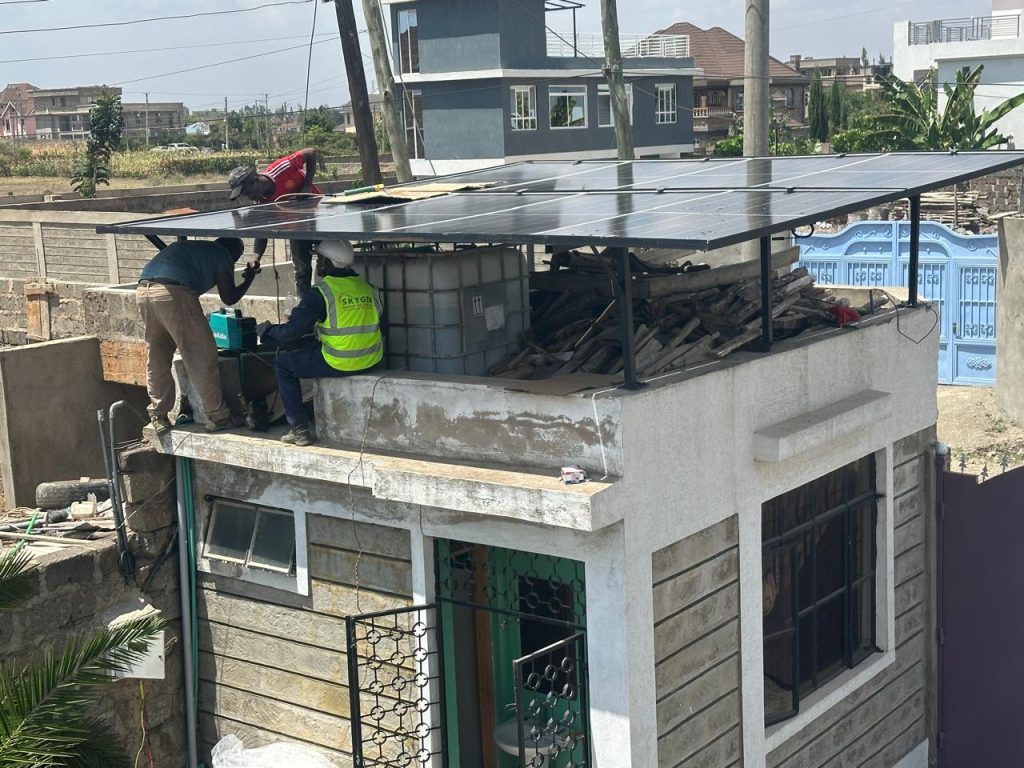
Real example: A family in Ruiru installed a 3kW hybrid system with a 5kWh lithium battery. They now run lights, fridge, TV, and Wi-Fi through 6-hour blackouts—while cutting their KPLC bill by 75%.
We assess your location, usage, and outage patterns to recommend the best fit—no overselling. Book a free site survey to get started.